

An oil change is one of the most straightforward services you can do for your vehicle, but its impact on your Ford’s long-term health is significant. Fresh motor oil lubricates the engine’s moving parts, reduces friction, helps regulate temperature, and prevents harmful buildup from accumulating over time. Skipping or delaying this service can lead to accelerated wear and, eventually, much more costly repairs.
For Ford owners, staying consistent with oil changes is one of the simplest ways to protect the investment you’ve made in your vehicle.
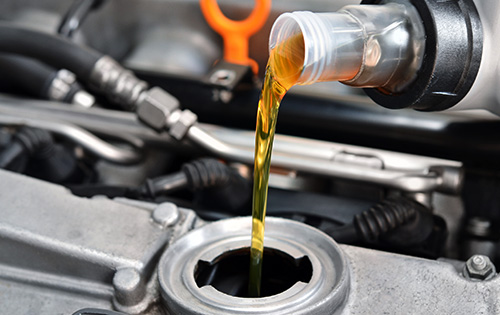
How Often Should You Schedule a Routine Ford Oil Change?
The right interval for a routine Ford oil change depends on a few factors, including the model you drive, the type of oil your engine requires, and how you typically use your vehicle. Many Ford vehicles using full synthetic oil can go longer between changes than older models using conventional oil.
Your Ford’s Intelligent Oil-Life Monitor takes the guesswork out of the process. This system tracks driving conditions and engine performance to let you know when a change is actually needed, rather than relying on a one-size-fits-all mileage figure.
Conventional vs. Synthetic Oil: Which Does Your Ford Need?
Not every Ford engine uses the same type of oil, and using the wrong one can affect performance. Conventional oil is typically used in older or higher-mileage vehicles, while full synthetic oil is standard in many of today’s Ford trucks, SUVs, and cars. Ford’s owner’s manual will specify which grade and type is recommended for your specific engine.
If you drive an F-150 with a turbocharged engine, for example, synthetic oil is generally required to handle the demands of that powertrain. When in doubt, a qualified Ford technician can confirm the right oil for your vehicle.
Signs Your Ford May Be Overdue for an Oil Change
Even if you haven’t hit a mileage milestone, your Ford may be telling you it’s time for fresh oil. A dark or gritty appearance on the dipstick, a persistent engine ticking sound, a drop in fuel efficiency, or an oil change indicator on your dashboard are all signals you shouldn’t ignore.
An oil change is one of the most affordable services on your maintenance schedule. Addressing it promptly is far less expensive than dealing with engine damage caused by dirty or degraded oil.
The Connection Between Oil Changes and Long-Term Ford Performance
Routine Ford oil change service does more than keep the engine clean — it contributes to the overall reliability and longevity of your vehicle. Clean oil helps your engine run more efficiently, which supports consistent performance.
Ford is recognized for building vehicles built to last, and regular maintenance is the key to getting the most out of that durability.
Ford Mobile Service and Pickup & Delivery Options
One reason it’s easier than ever to stay current with your oil change is the flexible service options Ford offers. Ford Mobile Service (where available) allows certified technicians to perform many routine services at your home or office, so you don’t have to rearrange your schedule around a dealership visit.
Ford Pickup & Delivery (where available) is another convenient alternative. Simply let your dealer know when and where to collect your vehicle, and they’ll service it and return it to you.
Don’t Let Your Ford Oil Change Slide
Staying on top of oil changes protects your engine, supports performance, and helps you avoid costly repairs down the road. So, if you rely on your F-150 for work, your Explorer for family trips, or your Bronco for weekend off-roading, clean oil keeps every drive feeling the way it should. Visit Midland Ford at midlandford.com to schedule your next service appointment and keep your vehicle running strong.
Connect with us


- 2025 Ford Bronco
- 2025 Ford Expedition
- 2025 Ford Expedition
- 2025 Ford Explorer
- 2025 Ford F-150
- 2025 Ford Ranger
- 2025 Ford Super Duty
- 2025 Model Year
- 2026 Ford Bronco
- 2026 Ford Escape
- 2026 Ford Explorer
- 2026 Ford F-150
- 2026 Ford Maverick
- 2026 Ford Mustang
- 2026 Model Year
- Battery Service
- Ford SUV
- Ford Trucks
- FordPass
- Midland Ford Dealer
- Midland Ford Service
- Oil Changes